When the old shingles on your home start curling or losing their granules after a severe Ohio River Valley storm, you face an immediate decision. Homeowners often ask our crews, “What roofing material is best for a replacement in Madison, IN?” as they look for the best way to protect their property from shifting Midwestern seasons. The right answer depends entirely on your home’s structural slope, your budget, and how long you plan to live in the house.
Key Takeaways
- Asphalt shingles provide budget relief: Standard architectural shingles deliver reliable leak protection at an affordable upfront installation cost.
- Metal panels resist severe weather: Standing-seam metal sheets withstand strong river-valley winds and shed winter snow easily.
- Proper ventilation stops rot: Correct attic airflow prevents summer heat buildup that can cook your shingles from underneath.
- Local climate drives wear: High summer humidity and freezing winter ice require durable underlayment materials to block water intrusion.
Why Does the Madison Climate Accelerate Shingle Deterioration?
Intense seasonal temperature swings along the Ohio River rapidly split and warp low-grade roofing materials. Freezing winter moisture expands inside small shingle cracks, creating hidden leaks that rot your roof decking before spring arrives. High summer humidity in the Madison area traps heat in poorly ventilated attics, causing asphalt layers to blister and fail decades earlier than expected.
Which Specific Materials Stand Up Best to Local Weather Patterns?
Heavy architectural asphalt shingles and interlocking metal panels offer the strongest defense for regional properties. When considering which roofing material is best for a replacement in Madison, IN, architectural shingles offer excellent wind resistance at a standard budget. For property owners seeking a lifetime solution, standing seam metal systems eliminate exposed fasteners and help reduce the risk of leaks caused by heavy rainfall and ice dams.
How Do You Execute a Successful Roof Replacement?
Phase 1: Complete Tear-Off and Decking Inspection
- Strip away all old layers of asphalt shingles down to the bare plywood structure.
- Inspect the wooden roof deck for black mold, soft spots, or water sagging.
- Replace compromised sheets of plywood immediately to establish a solid foundation for new fasteners.
Phase 2: Advanced Weatherproof Barrier Installation
- Apply ice-and-water shield membranes along all roof valleys, eaves, and chimney flashing junctions.
- Lay down synthetic underlayment across the remaining deck surface to provide superior tear resistance compared to old felt paper.
- Secure heavy-duty aluminum drip edges along the roof perimeter to direct rainwater safely into your gutters.
Phase 3: Material Fastening and Ventilation Setup
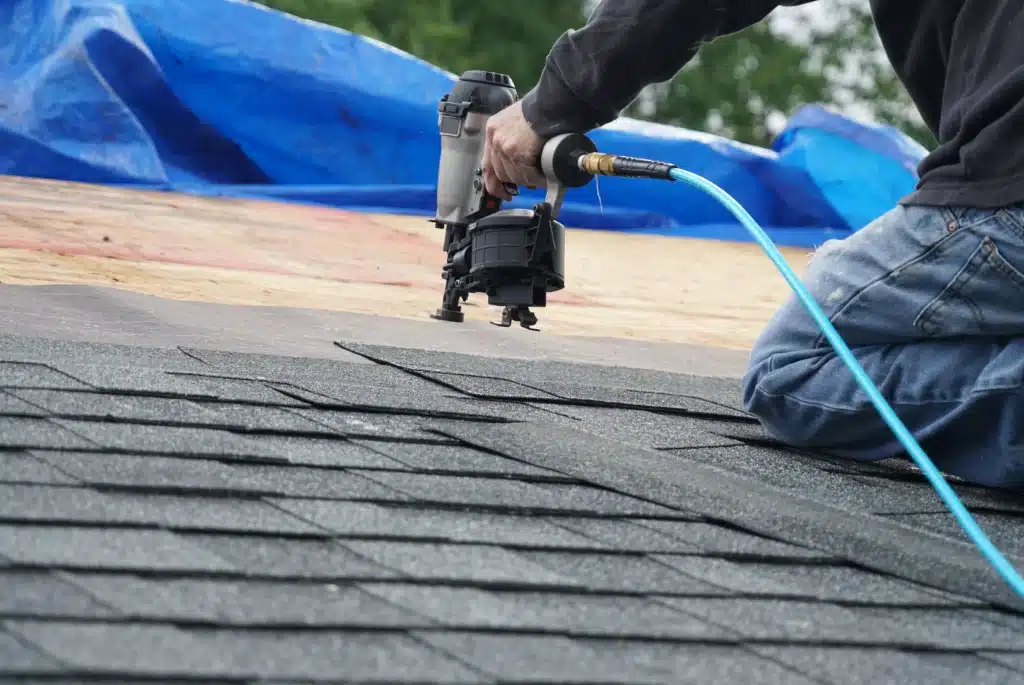
- Install the chosen shingle or metal panels using hot-dipped galvanized nails installed according to the manufacturer’s fastening requirements.
- Cut open new ridge vents along the peak of the roofline to allow hot attic air to escape naturally.
- Seal all pipe boots and exhaust penetrations with premium UV-resistant polymer caulking to prevent future weeping.
What Options Fit Your Specific Property Goals?
Long-Term Structural Safety
- Metal roofing systems offer excellent fire resistance and stand up well against severe storms, high winds, and hail.
- Multi-layered architectural shingle lines feature specialized algae-resistant granules that keep black streaks from forming.
Property Value Optimization
- Installing a modern dimensional roofline dramatically catches the eye of local buyers in neighborhood real estate listings.
- Metal panels may qualify for homeowner insurance discounts, depending on your insurance provider and the roofing system installed.
Budget-Conscious Management
- Standard three-tab shingles provide a lower upfront installation cost for homeowners working within a tighter budget.
- Routine maintenance checkups identify loose flashing elements early, extending your roof’s functional timeline by several years.
What Industry Terms Should Homeowners Know?
- Synthetic Underlayment: A modern woven polymer layer that blocks water better and lasts longer than traditional asphalt-saturated organic felt paper.
- Ice and Water Shield: A self-adhering rubberized asphalt membrane glued to leak-prone roof areas to stop backup damage from winter ice dams.
- Ridge Ventilation: A continuous exhaust vent installed along the peak of a roof that allows hot, humid air to escape from your attic space.
- Drip Edge Flashing: L-shaped metal strips installed along the edges of a roof to steer water away from fascia boards and protect underlying wood.
- Square of Roofing: A standard industry unit of measurement equal to 100 square feet of roof surface area used for material ordering.
Real Observations From Local Roof Inspections
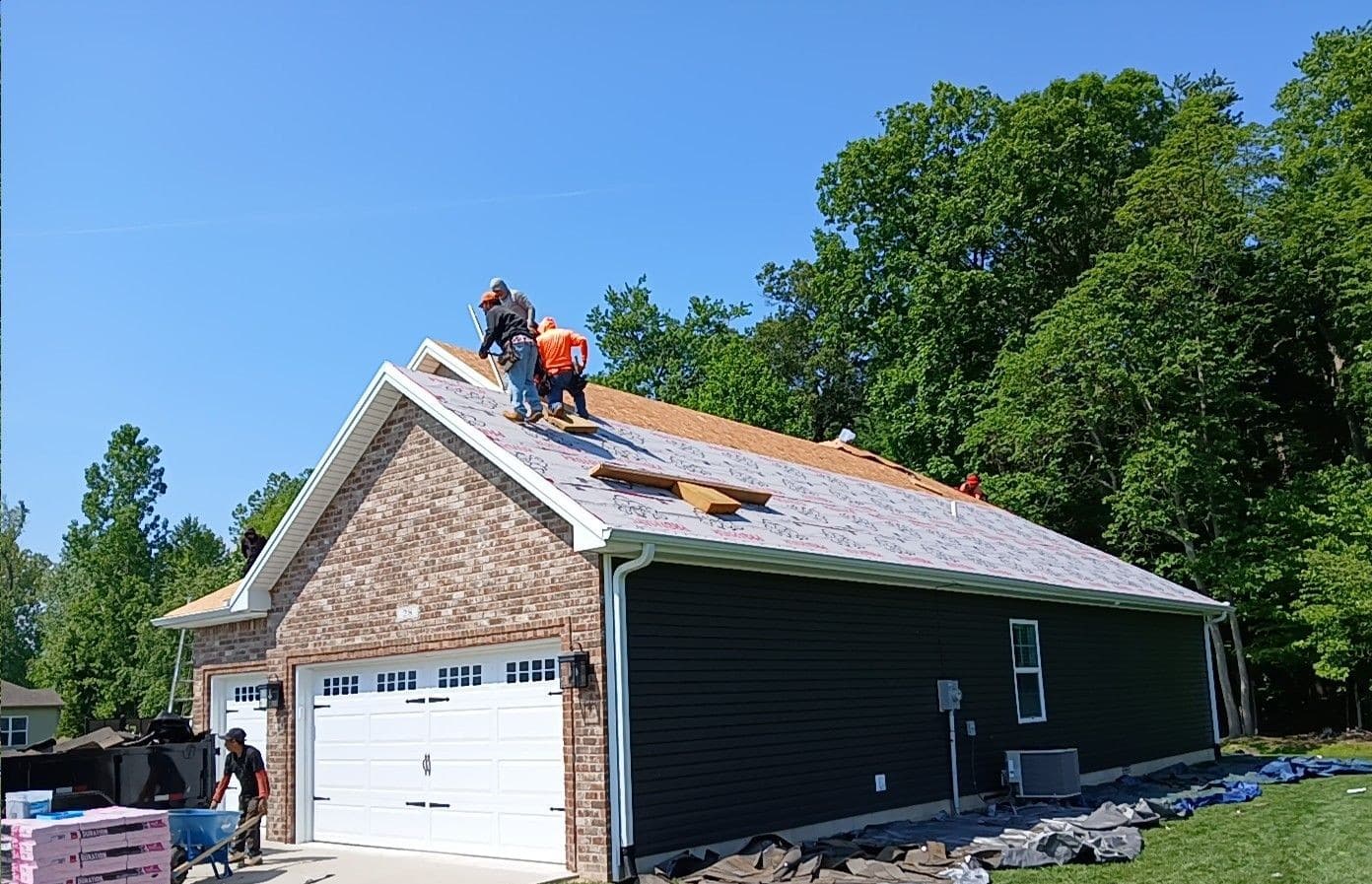
Many out-of-town crews try to cut corners by nailing new shingles directly over old, curled layers. This shortcut traps heat between the roofing layers, can void the manufacturer’s warranty and cause the materials to warp within five years. When inspecting older homes near downtown Madison, we frequently find rotted rafter tails caused by missing drip edges. Spending a tiny bit extra on proper synthetic underlayment and high-quality valley linings saves you from massive interior ceiling damage down the road. True savings come from clean execution, not cheap parts.
Take the Next Step Toward a Secure Home.
Ignoring a failing or leaking roof gives unpredictable Indiana storms a chance to destroy your ceilings and structural framing. Investing in a clean, professional roof installation protects your family and locks in your property’s long-term equity. You will gain absolute peace of mind knowing your home is shielded from ice, wind, and rain. Ignoring a failing or leaking roof gives unpredictable Indiana storms a chance to destroy your ceilings and structural framing.
Investing in a clean, professional roof installation protects your family and locks in your property’s long-term equity. You will gain absolute peace of mind knowing your home is shielded from ice, wind, and rain. When determining which roofing material is best for a replacement in Madison, IN, you need a local team that stands behind its workmanship. Red Roofing delivers honest inspections, transparent pricing, and dependable protection tailored to the Ohio River climate.
We specialize in complete roof replacements, shingle replacements, metal systems, and detailed ventilation correction. Our experienced technicians treat your home with the respect it deserves, arriving on time and leaving your property clean and free of stray nails and debris. Do not wait for the next severe storm to expose hidden weak spots in your shingles. Let our local team protect your property with confidence. Browse our previous installation galleries on redroofingllc.com to see our commitment to clean craftsmanship. Call (812) 701-6683 today to talk with an expert and schedule your comprehensive free property estimate.
How Long Does a Standard Roof Replacement Take?
Most residential roof installations take 1 to 2 days to complete, depending on the size and slope of your home. Extreme weather or extensive wood rot repairs can extend this timeline by an extra day.
Can I Install a Metal Roof Over My Existing Asphalt Shingles?
Yes, local building codes sometimes allow installing metal panels over one layer of old shingles using wood furring strips. However, stripping the roof down to bare wood is always better because it lets technicians repair hidden deck rot.
How Do I Know if My Attic Has Poor Ventilation?
If your attic feels like an oven during summer or you notice ice dams forming during winter, your ventilation is failing. Mold on your rafters or brittle, curling shingles also indicates trapped heat and moisture.
Are Architectural Shingles Worth the Extra Cost Over Three-Tab Shingles?
Yes, architectural shingles last up to a decade longer and handle much higher wind speeds than basic three-tab options. They feature a thicker, multi-dimensional look that beautifully hides minor roofline imperfections.
Will a New Roof Help Lower My Monthly Energy Bills?
Yes, pairing fresh shingles with active ridge vents keeps your attic cooler, which helps reduce heat buildup in your attic, allowing your air conditioner to operate more efficiently during the summer. This structural relief allows your air conditioner to run less frequently during peak summer heat.